


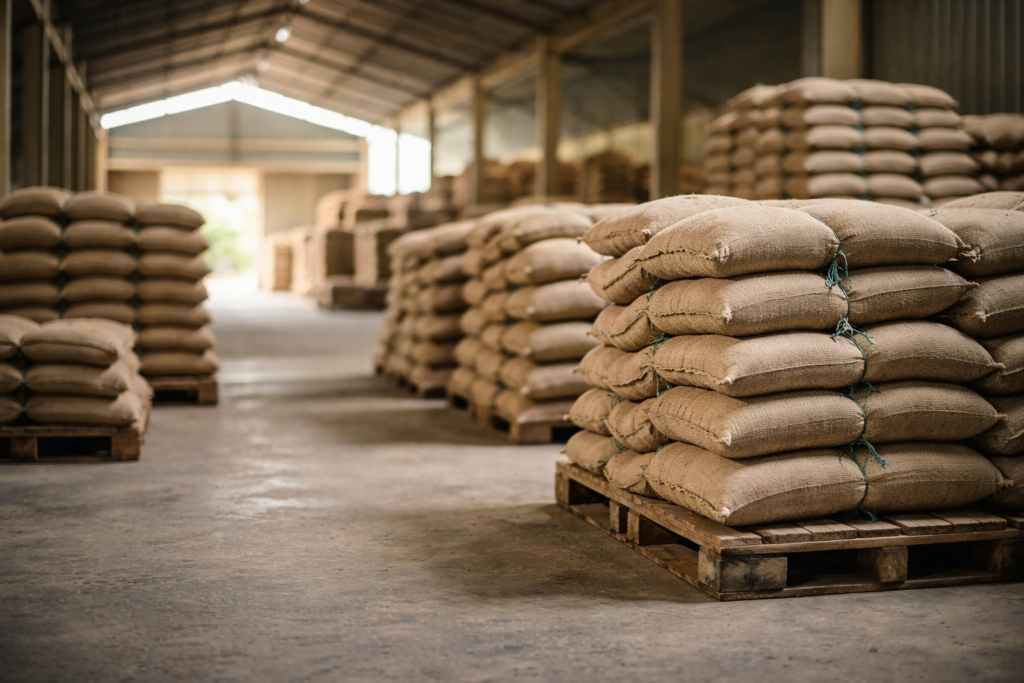
For decades, the seed distribution model in India has followed a familiar logic:
produce → push → sell → move on.
It worked when scale mattered more than outcomes.
It worked when visibility ended at the warehouse gate.
It worked when the cost of mismatch was invisible.
That era is ending.
Not loudly.
Not with protests.
But quietly – through inefficiencies, trust erosion, and systemic leakage that no one talks about openly.
The Uncomfortable Starting Point
India does not have a seed shortage problem.
It has a decision architecture problem.
Despite:
- certified seeds,
- strong R&D pipelines,
- expanding dealer networks,
15–35% yield loss still occurs in many regions – not because seeds are bad, but because the wrong seeds are confidently sold in the wrong contexts.
This isn’t malpractice.
It’s structural.
And that distinction matters.
The Myth We Rarely Question
Myth:
“If the seed quality is good, outcomes will follow.”
Reality:
Seed quality is only one variable in a multi-layered system that includes:
- soil composition,
- rainfall variability,
- cropping history,
- timing of procurement,
- incentive-driven selling.
When these layers are disconnected, even the best seeds underperform.
The system doesn’t fail loudly.
It fails silently – one season at a time.
Where the Traditional Model Breaks (System View)
Let’s step back and look at the structure – not the individuals.
1. Incentives Are Volume-Centric, Not Outcome-Centric
Dealers are rewarded for movement, not match.
Speed matters more than suitability.
Result:
- Right seed, wrong soil
- Right brand, wrong timing
2. Visibility Ends Too Early
Once seeds leave the godown:
- brands lose context,
- data disappears,
- feedback loops collapse.
By the time performance is evaluated, the season is over.
3. Farmers Bear the Entire Risk
When outcomes fall short:
- farmers absorb the loss,
- dealers deflect,
- brands distance.
Trust erodes quietly – and permanently.
4. Data Exists, But Responsibility Doesn’t
Soil data, rainfall data, and cropping patterns exist.
What’s missing is a system that takes responsibility for connecting them. Digitization without accountability is just speed.
It isn’t progress.
The Cost of This Silence (In Numbers)
Across regions, the impact compounds:
- 15–35% yield loss due to seed-soil-season mismatch
- 20–30% repeat dissatisfaction masked as “seasonal variability”
- High brand churn at the village level despite stable demand
- Zero post-sale learning loops for seed companies
None of these appear on balance sheets immediately.
All of them show up over time – in trust, reputation, and market depth.
A Shift Is Already Underway (Quietly)
The future of agri distribution is not about:
- more dealers,
- more SKUs,
- more discounts.
It’s about designing outcomes, not just dispatching products.
This requires a different mental model:
From → To
- Product sale → Outcome ownership
- Dealer push → Contextual enablement
- Volume tracking → Visibility loops
- Seasonal selling → Long-term trust economics
This isn’t theory.
It’s inevitability.
What the Next Model Demands
The next decade of agri distribution will reward systems that can:
- Interpret soil before selling seed
- Align incentives with outcomes
- Retain visibility beyond dispatch
- Reduce blame cycles through data
- Treat trust as an economic asset
This is where ecosystems – not intermediaries – win.
Where Krishipath Fits (Without the Pitch)
Krishipath is being built on a simple but radical belief:
Agriculture does not need more sellers.
It needs better decision systems.
From soil intelligence to seed matching, from advisory to buyback, the focus is not on replacing anyone – but on redesigning how decisions are made and owned.
When decisions improve, everything else follows:
- yield,
- loyalty,
- predictability,
- scale.
The Question That Matters Now
The real question for seed companies is no longer:
“How do we distribute better?”
It is:
“Who owns the outcome after the seed is sold?”
Those who answer this early will shape the next decade.
Those who don’t will keep fixing symptoms.